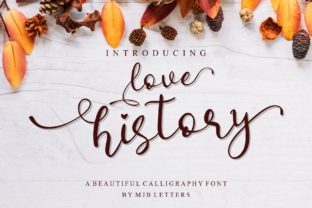
Love History: An Elegant Handwritten Font for Modern Design
In the search for a typeface that feels both personal and polished, few options offer the immediate charm of a well-crafted script. Love History is an elegant font with an original handwritten look, designed to infuse your projects with a natural, authentic impression. Its flowing letterforms and subtle imperfections capture the essence of human touch, making it a versatile asset for any designer's toolkit.
The Role of Handwritten Fonts in Visual Communication
Typography is a fundamental pillar of graphic design, directly influencing mood, readability, and brand perception. While clean sans-serifs and classic serifs provide structure, a font like Love History introduces warmth and personality. This makes it particularly effective for creating visual communication that feels approachable and memorable. In a digital landscape saturated with uniform text, a handwritten script can cut through the noise, establishing an immediate emotional connection with the viewer.
Practical Applications for Creative Projects
The true value of a design asset lies in its adaptability. Love History excels across a wide range of creative applications, seamlessly integrating into both digital and print design workflows. Consider its use in:
- Brand Identity & Logo Design: It can serve as a distinctive wordmark or a complementary script for taglines, lending a boutique, artisanal, or personal quality to a brand's identity.
- Marketing & Social Media Graphics: Ideal for creating engaging headlines in brochures, flyers, and social media posts. It adds a personal touch to quotes, announcements, and promotional content, enhancing visual appeal.
- Editorial & Web Design: Use it sparingly for pull quotes, section headers, or hero text in editorial layouts and website banners to break monotony and guide the eye with a unique visual hierarchy.
- Packaging & Merchandise: On product labels, boxes, or merchandise, Love History conveys craftsmanship and attention to detail, elevating the unboxing experience.
- Digital Products & Presentations: It can transform a standard presentation or an ebook cover into a more polished and professionally engaging piece.
Integrating Love History into Your Design Workflow
Effectively using a specialty font requires thoughtful application. To maximize its impact without compromising clarity, consider these tips for your design workflow. First, prioritize readability. Handwritten fonts are best used for short bursts of text—headlines, titles, or accents—rather than long paragraphs. Pair Love History with a simple, clean sans-serif or serif font for body copy to ensure a balanced and legible visual hierarchy.
Next, think about context and audience. The font's elegant, natural style suits projects related to weddings, lifestyle, boutique brands, blogs, and creative services. Always evaluate how its character aligns with your overall design goals and brand voice. Test it at various sizes to ensure it scales well for different applications, from a small business card to a large banner.
Finally, consider its compatibility with your broader color palette and imagery. A handwritten font often works best when other design elements are kept relatively simple, allowing the typography to be a focal point. This thoughtful approach ensures that every creative asset you use contributes to a cohesive and professional presentation.
Choosing the right typeface is a critical decision in any creative project, one that affects aesthetics, communication, and user engagement. Resources like Love History provide designers with the tools to break away from generic templates and inject genuine personality into their work. By understanding its strengths and applying it strategically, you can enhance your designs, strengthen your brand's story, and create visual experiences that resonate deeply with your audience. In the end, quality typography is not just about how words look, but how they make people feel.