Margille: Crafting Elegance in Modern Typography
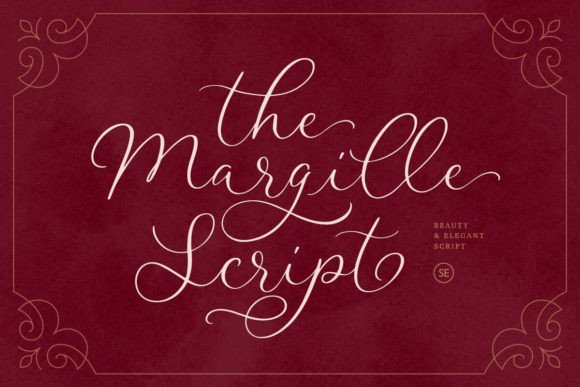
Finding a typeface that balances artistic flair with functional versatility is a challenge many designers face. Margille, a beautiful and elegant handwritten script, offers a sophisticated solution that blends personal touch with professional polish. This font is designed to capture the fluidity of natural handwriting while providing the control and consistency required for high-quality graphic design projects.
Margille's comprehensive character set includes lowercase, uppercase, symbols, and extensive multi-language support. Beyond the basics, it features thoughtfully crafted ligatures, initial and terminal alternates, special swashes, and numerous stylistic alternates. These elements allow designers to create custom, dynamic lettering that feels authentic and visually engaging. For anyone working in visual design, having access to such a rich typographic toolkit can significantly elevate the final output.
Practical Applications for Designers and Brands
The true value of a typeface like Margille lies in its application across diverse creative projects. Its elegant, flowing lines make it particularly effective where personality and emotional connection are key. Consider how it can enhance various design contexts:
- Branding and Logo Design: A logo sets the first impression for a brand. Margille's handwritten style can inject warmth, creativity, and approachability into a brand identity, making it ideal for boutique businesses, artisanal products, or lifestyle brands seeking a human-centric feel.
- Marketing and Social Media Graphics: In the crowded space of digital marketing, grabbing attention is crucial. Using Margille for headlines, quotes, or calls-to-action in social media posts, email banners, or digital ads can break through visual monotony and foster higher user engagement.
- Print and Packaging Design: From wedding invitations and greeting cards to product labels and packaging, Margille adds a layer of sophistication and bespoke quality. Its alternates allow for unique compositions that can make physical products feel more premium and thoughtfully designed.
Integrating Typography into Your Design Workflow
Effective use of any creative asset, including a script font, requires strategic thinking. To ensure typography supports your overall design goals, consider these factors:
- Readability and Scalability: While decorative, ensure the font remains legible at the intended size, especially for body text. Margille's clear letterforms generally maintain readability, but testing across devices and print sizes is essential.
- Visual Hierarchy: Use Margille strategically to create contrast and guide the viewer's eye. Pair it with a simple, clean sans-serif or serif font for body text to establish a balanced and readable visual hierarchy.
- Audience and Context: The handwritten aesthetic conveys specific emotions—elegance, creativity, and personal connection. Align this with your target audience's expectations and the project's message. It's perfect for fashion, beauty, wedding, and creative industries but may need careful consideration for more formal corporate contexts.
Thoughtful design is about making intentional choices that serve both form and function. Selecting a versatile and well-crafted typeface like Margille is an investment in the clarity and impact of your visual communication. By leveraging its full range of features—from swashes to alternates—you can develop a unique visual language that strengthens brand identity, captivates your audience, and ultimately elevates the quality of your creative projects, ensuring they stand out with professionalism and artistic integrity.