Party Kids: A Playful Font for Creative Design
In the world of visual communication, a font isn't just a collection of letters—it's a voice, an emotion, and a brand's first impression. The right typography can instantly convey joy, approachability, and creativity, setting the tone for an entire design system. For projects that demand a friendly, energetic, and human touch, a typeface like Party Kids becomes an invaluable creative asset.
Understanding the Role of Playful Typography
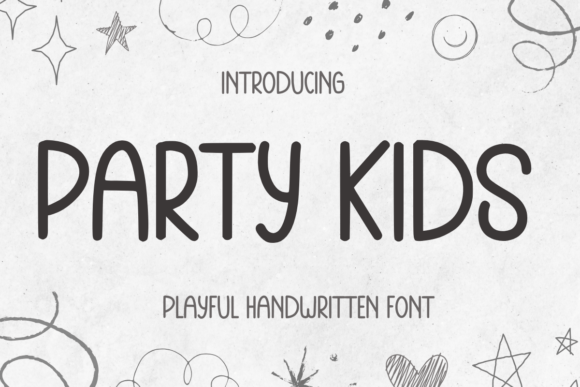
Party Kids is a fun and playful handwritten font that’s perfect for crafts, planners, KDP, stickers, greeting cards, and more. Its cute and friendly style works great for Cricut, sublimation, and creative DIY projects, making it ideal for crafters, designers, and makers. From a professional graphic design perspective, its value lies in its ability to inject personality and warmth into a visual hierarchy. Unlike rigid, formal typefaces, a handwritten style like this breaks down barriers, creating an immediate sense of authenticity and connection with the viewer. This is crucial in modern branding and design trends that prioritize relatability and user engagement.
Practical Applications for Designers and Creators
The versatility of a well-designed handwritten font extends across numerous design disciplines. Its application is not limited to a single medium but enhances the visual impact of a project wherever a human element is desired.
- Branding and Logo Design: For brands targeting a family, educational, or lifestyle audience, Party Kids can form the core of a friendly brand identity. It works beautifully for wordmarks, taglines, or as a complementary display font in a broader typographic system.
- Marketing and Social Media Graphics: In digital marketing, grabbing attention quickly is key. This font excels in social media graphics, email headers, and advertising campaigns where a cheerful, approachable tone can significantly boost click-through rates and shares.
- Packaging and Merchandise Design: Physical products benefit immensely from tactile, personal touches. Imagine this font on children's book covers, party supply packaging, or merchandise like T-shirts and tote bags. It communicates product personality before a single feature is read.
- Editorial and Web Design: While not for body text, it can create stunning pull quotes, section headings, or call-to-action buttons in editorial layouts and website UI design. This adds a layer of visual interest and guides the user's eye effectively.
- Digital Products and Creative Projects: For creators selling digital planners, printable stickers, or KDP (Kindle Direct Publishing) interiors, a cohesive and appealing font choice is part of the product's core value. It directly contributes to the user experience and perceived quality.
Integrating Fonts into a Cohesive Design Workflow
Simply having a charming font isn't enough; strategic integration is what elevates a design from good to great. When incorporating a typeface like Party Kids, consider these professional guidelines:
Balance and Visual Hierarchy: Pair it with a clean, highly legible sans-serif or serif font for body text. The contrast ensures readability while allowing the handwritten font to command attention where it matters most—headlines, logos, or accent text.
Audience and Context Alignment: Always define your project's goal and target audience. A playful font is perfect for a child's birthday invitation or a bakery's branding but might be less suitable for a corporate financial report. Context dictates typographic choices.
Consistency Across Platforms: Ensure the font's style aligns with your broader color palette, imagery, and composition. Consistency strengthens brand identity and creates a professional, unified presentation across all touchpoints, from a website to print materials.
Technical Considerations: Evaluate the font's licensing for your intended use (commercial projects, merchandise, digital goods). Also, test its scalability—does it remain clear and impactful when used very small on a sticker or very large on a banner?
Ultimately, the tools you choose define the language of your design. A thoughtfully selected creative asset like a versatile handwritten font does more than decorate; it communicates. By understanding its strengths and applying it with intention, designers and creators can craft more engaging, effective, and memorable visual stories that resonate deeply with their audience.