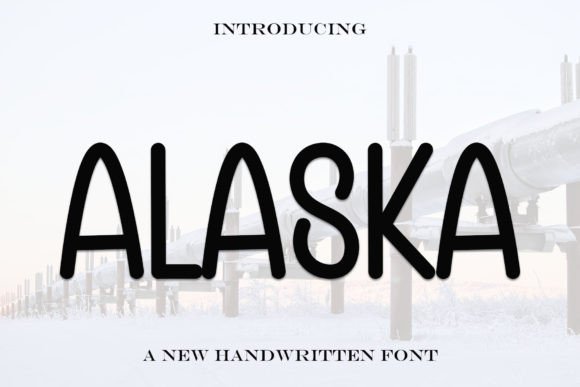
Alaska: Elevate Your Designs with Elegant Handwritten Typography
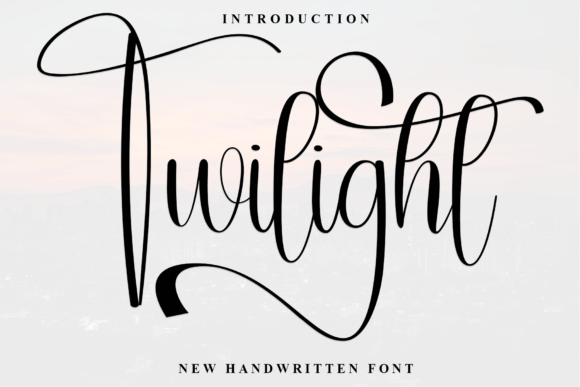
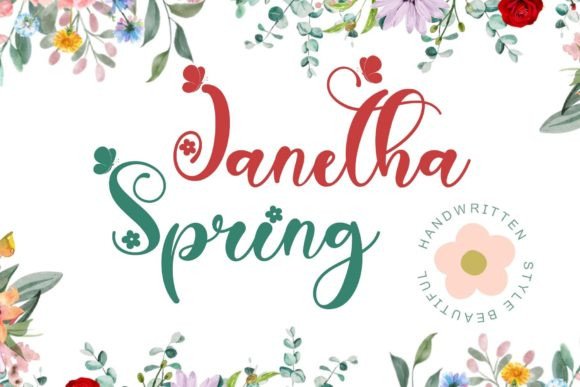
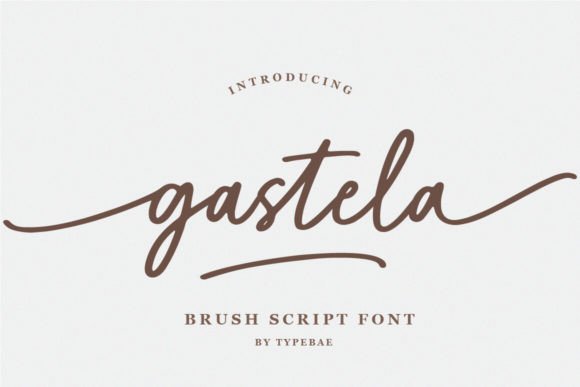
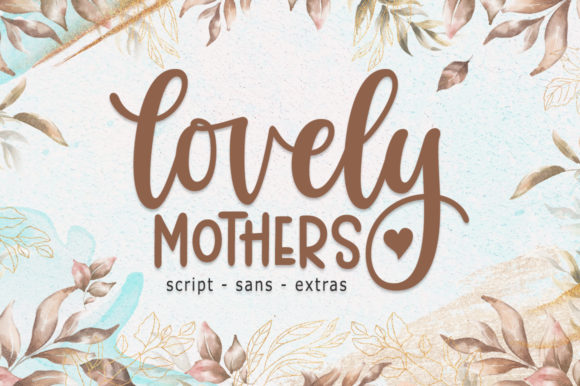
In the crowded digital landscape, a single font choice can be the difference between forgettable and phenomenal. For designers seeking a touch of organic sophistication, the Alaska font emerges as a compelling solution. This neat and beautiful handwritten typeface, described by its elegant touch, offers a distinct and timeless style that can transform your favorite projects. It’s more than just letterforms; it’s a creative asset designed to help you fall in love with the process of crafting spectacular, emotionally resonant designs.
The Role of Expressive Typography in Modern Graphic Design
Typography is a cornerstone of visual communication, directly influencing brand identity, user experience, and the overall effectiveness of a design. While sans-serifs and serifs provide structure, handwritten fonts like Alaska introduce a human element. They convey warmth, authenticity, and creativity, making them invaluable for projects that need to connect on a personal level. In a world saturated with sterile digital interfaces, the organic flow of Alaska can create a memorable visual hierarchy and inject personality into any composition.
Practical Applications Across Creative Projects
The versatility of a well-crafted handwritten font allows it to shine across numerous design disciplines. Its application can significantly enhance branding, marketing, and editorial work by adding a layer of curated elegance.
- Brand Identity & Logo Design: Alaska is perfect for brands aiming for a boutique, artisanal, or personal aesthetic. Use it for logos, wordmarks, or brand names in industries like lifestyle, beauty, wedding planning, or handcrafted goods to instantly communicate uniqueness and care.
- Marketing & Social Media Graphics: Create eye-catching headlines for posters, flyers, and social media posts. Its distinct style stops the scroll, making it ideal for quotes, promotional text, and calls-to-action in digital marketing campaigns.
- Editorial & Web Design: Employ Alaska for pull quotes, chapter headings, or feature titles in magazines, blogs, and websites. It adds a sophisticated flair to layouts without sacrificing readability when used at appropriate sizes, improving the overall user engagement.
- Packaging & Merchandise: On product labels, gift tags, or merchandise like apparel and mugs, this font style conveys quality and bespoke craftsmanship, elevating the perceived value of the physical item.
Tips for Selecting and Using Handwritten Fonts Effectively
Integrating a font like Alaska requires thoughtful consideration to ensure it strengthens, rather than clutters, your design. Always prioritize the project's goals and audience expectations.
- Establish Visual Hierarchy: Use Alaska strategically as a display or accent font. Pair it with a clean, neutral sans-serif for body copy to ensure readability and maintain a professional presentation. The contrast creates a dynamic and balanced layout.
- Consider Context and Audience: Evaluate if the elegant, handwritten style aligns with your brand's voice and your target audience's preferences. It may be perfect for a creative portfolio but less suitable for a formal corporate report.
- Test for Scalability and Clarity: Before finalizing, test the font in various sizes and on different screens or print materials. Ensure letterforms remain distinct and legible, especially in smaller applications like UI buttons or product tags.
- Harmonize with Your Color Palette: Typography doesn't exist in a vacuum. The color, weight, and background behind your Alaska text will affect its impact. Choose complementary colors that enhance its elegant character without causing visual strain.
Ultimately, the power of a design asset like the Alaska font lies in its ability to bridge aesthetics and communication. By making informed, intentional choices about typography and other visual elements, designers and creators can craft experiences that are not only beautiful but also deeply effective. Investing in high-quality creative resources is an investment in clearer storytelling, stronger brand recognition, and a more polished final product that truly resonates with its intended audience.