Bad Faith: Elevate Your Design with Unique Handwritten Typography
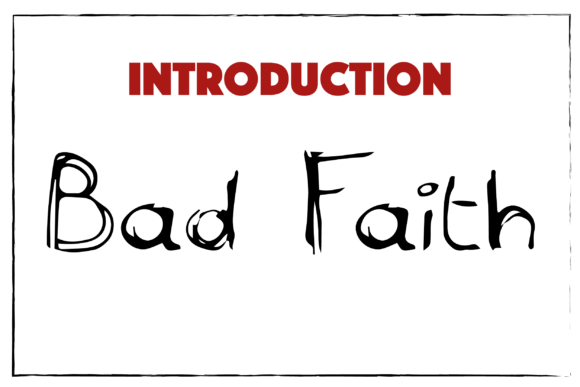
In a digital landscape saturated with generic sans-serifs and predictable serifs, discovering a typeface with genuine character can feel like striking gold. Bad Faith is an incredibly unique handwritten font that masterfully blends organic fluidity with a structured elegance. Designed to become a true favorite, this font has the potential to bring each of your creative ideas to the highest level, offering a powerful tool for designers seeking to inject authenticity and emotional resonance into their work.
Why Handwritten Fonts Matter in Modern Design
Typography is the voice of your design. While clean, geometric fonts convey modernity and efficiency, a carefully crafted handwritten typeface like Bad Faith communicates warmth, personality, and a human touch. In an era where consumers crave authenticity, this font helps bridge the gap between a brand and its audience. It transforms standard communication into a personal conversation, making it invaluable for projects that require a distinct, approachable, and memorable visual identity.
Practical Applications Across Creative Projects
The versatility of a well-designed script font allows it to shine across a multitude of applications. Its inherent style can elevate the visual hierarchy of a layout, drawing the eye to key messages without sacrificing readability.
- Branding & Logo Design: Use Bad Faith to craft a logo that feels bespoke and artisanal, perfect for boutique brands, lifestyle blogs, or creative studios.
- Marketing & Social Media: Create scroll-stopping quotes, headers, and call-to-action graphics that stand out in crowded feeds. Its unique letterforms ensure your message is both seen and felt.
- Editorial & Web Design: Pair it with a simple sans-serif for stunning pull quotes, section headers, or hero text that guides the user’s journey with style.
- Packaging & Merchandise: For products like coffee, cosmetics, or apparel, this font adds a layer of craft and quality, suggesting a story behind the product.
- Presentations & Digital Products: Move away from default system fonts. Use it in slide decks or on eBook covers to demonstrate a professional presentation and attention to detail.
Integrating Bad Faith into Your Design Workflow
Simply choosing a beautiful font isn't enough; effective implementation is key to achieving a polished result. To maximize the impact of Bad Faith, consider its role within your broader visual design system. Always test it for readability at various scales, especially in UI design where clarity is paramount. When building a color palette, ensure there is sufficient contrast between the text and background to maintain accessibility standards.
A successful design workflow involves more than just asset selection; it requires strategic composition. Use this font to establish a clear visual hierarchy. Let it dominate headlines or accent points, but avoid using it for long-form body copy where legibility might suffer. Pairing it with a neutral, complementary typeface will allow its unique characteristics to pop without overwhelming the viewer. This balance is crucial in both print design and digital marketing collateral.
Design Inspiration and Final Thoughts
When selecting creative assets like fonts, always consider your audience's expectations and the project's goals. A font like Bad Faith is ideal for brands targeting a demographic that values creativity, craftsmanship, and individuality. It’s a statement piece in your graphic design toolkit that, when used thoughtfully, can significantly boost user engagement and brand recall.
Ultimately, the power of design lies in its ability to communicate complex ideas and emotions instantly. By integrating high-quality, distinctive elements like this into your projects, you do more than just decorate a page—you build a connection. Thoughtful typography choices are an investment in your brand's voice, ensuring that every piece of content you produce is not only aesthetically pleasing but also deeply resonant with your intended audience.